Lose Yourself to Dance
Song DNA
An infectious track that encourages listeners to embrace the moment.
Cultural Context
Continues the exploration of disco and funk within contemporary music.
Listening Prompt
Let the rhythm guide your movements.
What to Expect
The song gradually builds intensity while remaining laid-back.
Hear it the way it was made
The right gear changes everything.
Moods: joyful, warm
How this song sits on each sensory axis
A dynamic range of 7/10 means this song moves. Expect a real volume climb between quiet sections and the loudest part of the arrangement — enough that you may want to set the initial volume below where you'd normally land.
Sudden changes: none. Transitions are musically signaled — nothing will surprise you if you're only half-listening.
Texture is layered — a full arrangement with clear separation between parts.
Predictability is medium — conventional structure overall, with one or two moments that deviate from what you'd expect.
Vocal style: soft vocals.
Where this sits in Daft Punk's catalog
We have 49 songs from Daft Punk in the library. Of those, 8 are rated Safe, 31 Moderate, and 10 Intense. This song's dynamic range of 7/10 sits above the artist average of 6.1, making it the #16 most dynamic track of theirs in our library.
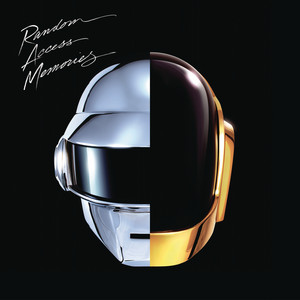
Other tracks from Random Access Memories
We have 13 songs from this album. Overall, the album leans moderate in sensory profile.
- Get Lucky — moderate DR 7
- Instant Crush — moderate DR 6
- Contact — intense DR 9
- Doin' It Right — moderate DR 6
- Give Life Back to Music — moderate DR 7
- Giorgio by Moroder — intense DR 9
- Within — safe DR 4
- Beyond — moderate DR 6
- Motherboard — moderate DR 6
- Fragments of Time — safe DR 6
- Touch — moderate DR 8
- The Game of Love — moderate DR 6
2013 context
Released in 2013. We have 408 songs from that year in our library, averaging a dynamic range of 6.5/10. This track is about average than the year average. Explore more from the 2010s.
Explore by mood and tradition
Why this rating
We rate this song Moderate because it falls between our Safe and Intense thresholds on at least one dimension. Moderate is the default for most well-produced music that has real arc but no surprise elements. Full rubric: methodology.
Rating last reviewed: 2026-04-05. Reviewed by the Music I Want editorial team against the documented methodology.
Think this rating is wrong? Email the editor — every message is read and ratings get revised.
Frequently asked about "Lose Yourself to Dance"
Quick answers pulled from the song's sensory analysis.
What is the sensory intensity of "Lose Yourself to Dance" by Daft Punk?
"Lose Yourself to Dance" by Daft Punk rates as Moderate intensity. Dynamic range 7/10, none sudden changes, layered texture. Moderate is the default for well-produced music with real arc but no surprise elements.
How loud is "Lose Yourself to Dance" — what is its dynamic range?
"Lose Yourself to Dance" has a dynamic range of 7/10. Noticeable climb from quiet sections to loudest point. Set opening volume slightly lower than your preferred peak.
Does "Lose Yourself to Dance" have sudden or surprising changes?
No. "Lose Yourself to Dance" has no sudden unsignaled changes. Every transition is musically telegraphed.
What is "Lose Yourself to Dance" best for?
In our library "Lose Yourself to Dance" is recommended for: movement. These tags are assigned only where the song's sensory profile genuinely supports the use case.
When was "Lose Yourself to Dance" released?
"Lose Yourself to Dance" is from 2013, on the album "Random Access Memories". It appears in our 2010s catalog.
What is the emotional mood of "Lose Yourself to Dance"?
We tag "Lose Yourself to Dance" as joyful, warm. Moods are tonal descriptors based on how the song reads emotionally — separate from the sensory intensity axes.
What is the vocal style of "Lose Yourself to Dance"?
The vocal style is soft vocals.
Should I listen to "Lose Yourself to Dance"?
"Lose Yourself to Dance" is Moderate intensity — fine for most listeners, but with enough dynamic activity that it works best as active listening rather than background.
Songs with the same DNA
layered texture, similar intensity — across any genre or era.
Safer alternatives with a similar feel
These songs share similar moods but with a gentler sensory profile.
What this song means to people
No stories yet. Be the first.