← Back to Self-Portrait in Three Colors
10 songs that feel like Self-Portrait in Three Colors
Matched to Self-Portrait in Three Colors by Charles Mingus on how the music actually moves — intensity, dynamic swing, texture, tempo — not by genre tag. Here's what makes each one a match.
A 94% feel-match — carries the same energetic pull and lands at almost exactly the same energy (67/100). Nearly the same tempo, too (120 BPM).
96% match across our 8 measured dimensions; it lands at almost exactly the same energy (67/100). Same layered texture.
Keeps the same introspective pull — lands at almost exactly the same energy (67/100). Measured 96% alike. Nearly the same tempo, too (120 BPM).
Measures 96% the same. It lands at almost exactly the same energy (63/100). Same layered texture.
A 96% feel-match — carries the same introspective pull and lands at almost exactly the same energy (63/100). Nearly the same tempo, too (120 BPM).
94% match across our 8 measured dimensions; it lands at almost exactly the same energy (68/100). Same layered texture.
Keeps the same energetic pull — runs a little hotter at 70/100. Measured 92% alike. Nearly the same tempo, too (120 BPM).
Measures 89% the same. It runs a little hotter at 69/100.
A 94% feel-match — carries the same energetic pull and lands at almost exactly the same energy (67/100). Nearly the same tempo, too (120 BPM).
94% match across our 8 measured dimensions; it lands at almost exactly the same energy (67/100). Same layered texture.
…and if you want it calmer
Same feeling, measured gentler — for when Self-Portrait in Three Colors is more than you want right now.
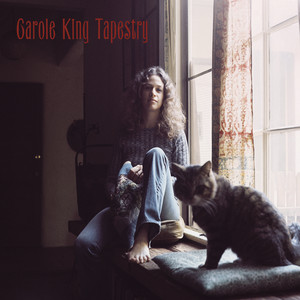
Keeps the same feel of the original, but its dynamic range stays a gentler 5 where the original climbs to 7. Intensity 24/100, down from 63. Nearly the same tempo, too.

Nothing in it lurches or startles, so it lands at 27/100 — the pull without the edge. Nearly the same tempo, too.

If it's the same feel you're after, this delivers it while its dynamic range stays a gentler 5 where the original climbs to 7. Reads 26/100. Nearly the same tempo, too.

Holds the same feel while it stays in our safe band start to finish. 41/100, versus the original's 63. Nearly the same tempo, too.
Keeps the same feel of the original, but its dynamic range stays a gentler 4 where the original climbs to 7. Intensity 19/100, down from 63. Nearly the same tempo, too.

Nothing in it lurches or startles, so it lands at 28/100 — the pull without the edge.

If it's the same feel you're after, this delivers it while its dynamic range stays a gentler 4 where the original climbs to 7. Reads 26/100.
Holds the same feel while its dynamic range stays a gentler 5 where the original climbs to 7. 24/100, versus the original's 63.
Frequently asked
What songs sound like “Self-Portrait in Three Colors” by Charles Mingus?
The closest feel-matches we measure are “Passion Dance” by McCoy Tyner, “Alborada del gracioso” by Maurice Ravel, “Miroirs” by Maurice Ravel — the top match scores 94% alike. Matching is by how the songs actually move (intensity, dynamic range, texture, tempo, predictability, vocal force), not by genre tag or popularity.
What songs are like “Self-Portrait in Three Colors” but calmer?
“It's Too Late” by Carole King, “The Times They Are a-Changin'” by Bob Dylan, “Clean” by Taylor Swift keep a similar feel while measuring gentler — lower dynamic swing, fewer sudden shifts, or a calmer overall level.
How intense is “Self-Portrait in Three Colors”?
It measures 63/100 on our intensity scale, computed from a dynamic range of 7/10, layered texture, frequent sudden shifts, and instrumental. Tempo is 120 BPM.
How do you decide which songs are similar?
Every song in our catalog is measured on 8 dimensions — intensity, dynamic range, tempo, sudden changes, texture, predictability, vocal force and fine sound detail. Similarity is the distance between two songs across those measurements, so matches cross genres and eras. Shared mood tags break ties.
By the numbers: how this song compares
Computed from this song’s place among the 19,209 songs we’ve measured.
Where it sits in 19,000 songs
This is one of the more intense things in our library — more energetic than 83% of the 19,209 songs we've measured. Its intensity reading of 63/100 comes from a dynamic range of 7/10, layered texture, frequent shifts, and instrumental. Relatively few songs occupy this exact corner of the spectrum.
What makes it unusual
What stands out most about this song is blazing intensity: more extreme on that axis than 83% of everything we've measured. At the far opposite end of the library sit the songs built on near-total stillness — steady volume, no surprises, a slow and unhurried pulse — the kind of track this one is the counterpoint to.
Feels almost identical to
Closest matches by feel across all 19,209 measured songs — not by genre or artist, by how they actually move.
Dial the feeling up or down
What it’s good for
Scored from this song’s tempo, intensity, dynamics and texture — not crowd votes.
1959 in context
The 96 songs we’ve measured from 1959 average a dynamic range of 5.9/10. At 7/10, this track is louder and more dynamic than its year.
Mixes smoothly with
Within a few BPM and close in feel — they flow without a jarring transition.
The fingerprint
The 8-dimension measurement behind every rating on this page.
Want the single closest match, with every dimension compared?
Find its sonic twin →