Teaching Music Listening to Neurodiverse Children: A Gentle Approach
Teaching Music Listening to Neurodiverse Children: A Gentle Approach
Music is a universal language that can resonate deeply with all individuals, including neurodiverse children. Whether your child is on the autism spectrum, has ADHD, struggles with sensory processing issues, or identifies as a highly sensitive person, introducing them to music can be a rewarding experience. However, it's essential to approach this journey with warmth, patience, and understanding. Here’s a gentle guide to help you teach music listening in an accommodating and enjoyable way.
Understanding Your Child’s Unique Sensitivities
Every child experiences music differently. For some, certain sounds can be overwhelming, while others might not respond to music in the same way as their peers. The first step is to understand your child's unique preferences and sensitivities. Here are a few tips:
- Observe their reactions: Pay attention to how your child responds to different genres, tempos, and volumes. Take note of the music they are drawn to and the sounds that cause discomfort.
- Engage in open conversations: Talk to your child about their feelings towards music. This will help you understand their likes and dislikes better.
- Be patient: It may take time for your child to warm up to certain styles of music, so allow them to explore at their own pace.
Creating a Comforting Environment
The setting in which music is introduced can greatly influence your child's experience. Here are some suggestions to create a sensory-friendly music environment:
- Choose a quiet space: Find a calm area in your home where distractions are minimal. Soft lighting and a comfortable seating arrangement can make a big difference.
- Control the volume: Start with soft, gentle sounds and gradually increase the volume if your child seems comfortable. Always prioritize their comfort level.
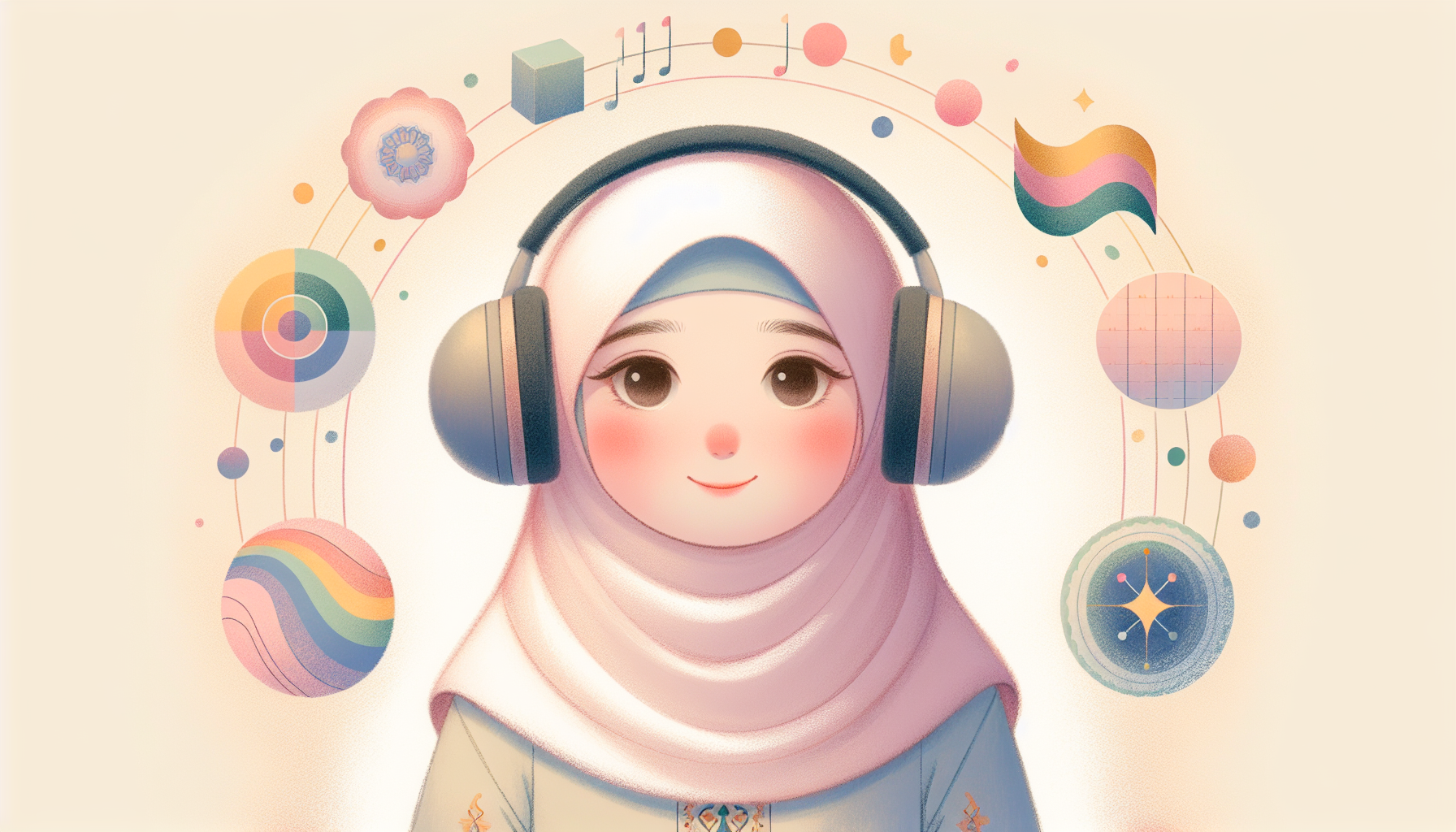
- Use noise-canceling headphones: If your child is sensitive to sounds, headphones can help create a more controlled listening experience.
Exploring Different Genres
Music comes in many forms, and exploring different genres can be an exciting adventure for your child. Here are some genres to consider:
- Classical: The soothing melodies and structured rhythms can be calming.
- Nature sounds: The gentle sounds of rain, ocean waves, or birds can help create a serene atmosphere.
- Jazz: Its improvisational nature can engage your child's imagination and encourage creativity.
- World music: Exposing your child to diverse cultural sounds can broaden their musical horizons.
Encourage your child to share their thoughts about each genre and what they enjoy or dislike. This can foster a sense of ownership in their musical journey.
Interactive Music Activities
Incorporating interactive activities can make music listening more engaging for neurodiverse children. Here are some ideas:
- Music and movement: Encourage your child to dance or move to the beat. This can help them connect physically with the music.
- Instruments: Introduce simple instruments like shakers, tambourines, or xylophones. Let them experiment with sounds and rhythms.
- Storytelling through music: Play a piece of music and ask your child to create a story that fits the mood or theme. This encourages creativity and imagination.
Utilizing Resources
There are many resources available to help you explore music with your child. Consider visiting our sensory-rated library for curated music selections that are mindful of various sensory needs. Additionally, our Frequency Finder can help you discover sound frequencies that resonate with your child's preferences. If you’re feeling creative, you can create custom music tailored to their tastes.
Making Music Listening a Routine
Establishing a regular music listening routine can provide a sense of security for your child. Whether it’s during quiet time, playtime, or bedtime, integrating music into daily life can help them connect with their feelings and develop their listening skills.
Conclusion
Teaching music listening to neurodiverse children is a beautiful journey that requires patience, understanding, and creativity. By creating a supportive environment and using gentle strategies, you can help your child discover the joy of music in a way that feels comfortable and engaging. Remember, the goal is not just to teach music but to allow your child to express themselves and connect with their emotions through sound.