Music Therapy and Autism: What the Research Actually Says
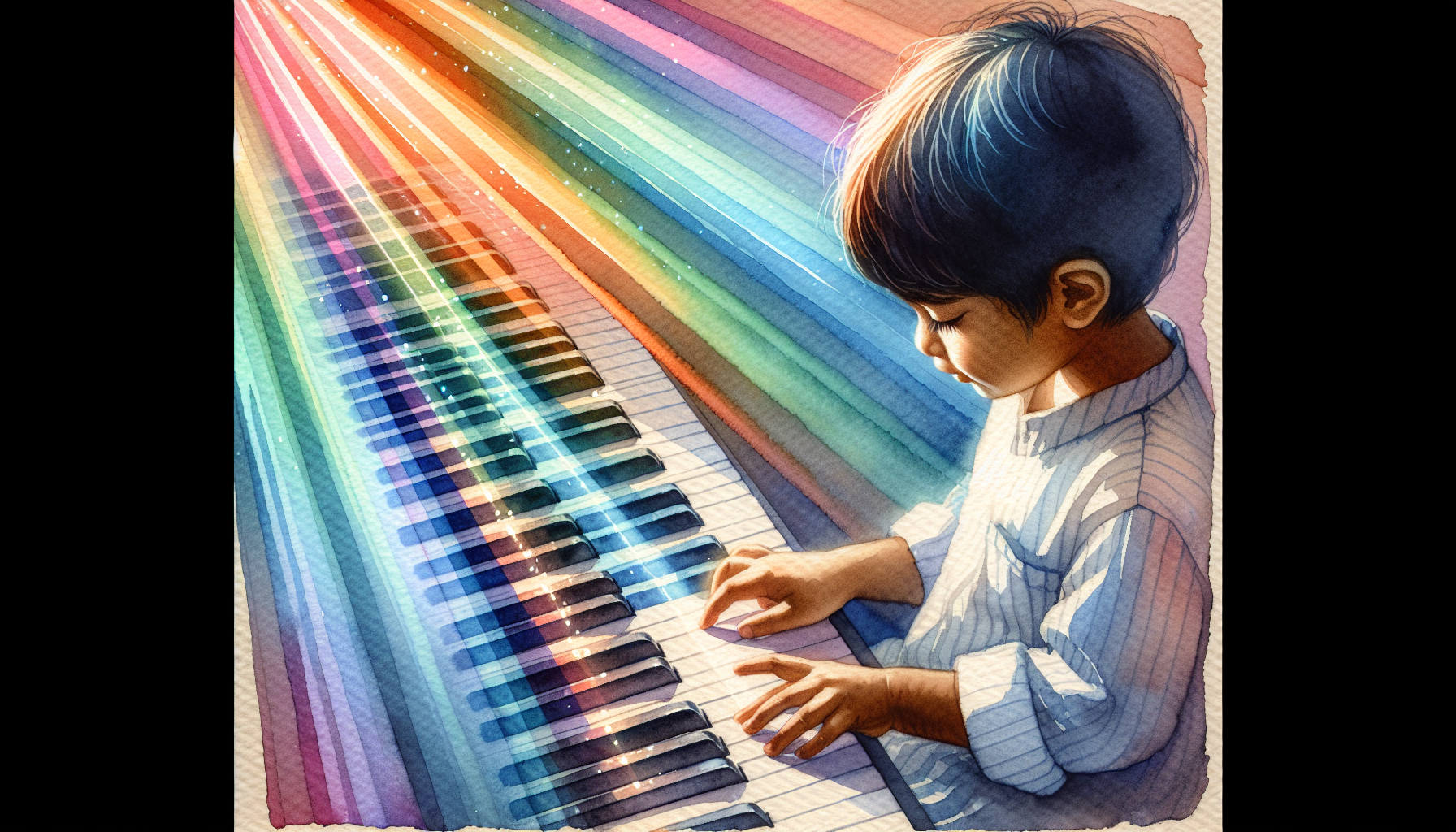
Music Therapy and Autism: What the Research Actually Says
Music has an incredible ability to touch our hearts and soothe our souls. For individuals with autism, music therapy can be a powerful tool that encourages communication, expression, and connection. Let's explore what research tells us about music therapy and autism and how it can be beneficial for individuals and their families.
Understanding Music Therapy
Music therapy is a therapeutic approach that uses music to help individuals achieve specific goals. This can include improving communication skills, enhancing social interactions, and encouraging emotional expression. Certified music therapists tailor their sessions to meet the unique needs of each person, making it a personalized experience.
How Music Therapy Helps Individuals with Autism
Research into music therapy has shown promising results for people on the autism spectrum. Here are some key areas where music therapy can make a positive impact:
- Improved Communication Skills: Many individuals with autism face challenges in verbal communication. Music therapy can help enhance language skills through singing, rhythm, and engaging in musical activities that encourage vocalization.
- Social Interaction: Engaging in music together can create a sense of belonging. Whether it's playing an instrument or participating in group singing, music therapy fosters social connections and encourages turn-taking and collaboration.
- Emotional Expression: Music can be a safe outlet for expressing feelings that might be difficult to communicate verbally. Through improvisation and songwriting, individuals can explore their emotions in a supportive environment.
- Reducing Anxiety: For those with anxiety or sensory processing disorders, music therapy can provide a calming effect. Soft melodies or rhythmic patterns can help create a soothing atmosphere, allowing individuals to feel more at ease.
What Does the Research Say?
Numerous studies have explored the effects of music therapy on individuals with autism. For instance, a meta-analysis published in the journal Music Therapy Perspectives found that music therapy significantly improved social skills and communication in children with autism. Another study highlighted that music therapy reduced anxiety levels and improved emotional regulation in adolescents on the spectrum.
While research is ongoing, the positive outcomes observed in these studies suggest that music therapy can be a valuable resource for individuals with autism and their families.
Practical Tips for Using Music Therapy at Home
If you're interested in integrating music therapy concepts into your daily routine, here are some practical tips:
- Create a Music Space: Designate a cozy area in your home filled with various musical instruments—think shakers, drums, or simple keyboards. This space can serve as a creative outlet for exploration and play.
- Incorporate Music into Daily Routines: Use music during daily activities to create a sense of structure. For example, play calming music during bedtime or lively tunes during playtime to enhance mood and engagement.
- Explore Different Genres: Introduce a variety of music styles—from classical to jazz to pop. Allow your loved one to choose their favorites and talk about what they enjoy. This can promote discussions about preferences and feelings.
- Take Advantage of Technology: Use apps or websites that offer interactive music-making tools. You can create custom music together, which can be a fun bonding experience.
Finding the Right Music Therapy Program
If you're considering professional music therapy, it's essential to find a qualified music therapist who has experience working with individuals with autism. Look for therapists who hold credentials from recognized organizations and who can tailor their approach to meet the specific needs of your loved one.
Additionally, explore options in your community, and don't hesitate to ask for recommendations from local autism support groups or healthcare providers.
Explore More Resources
Music therapy offers a world of possibilities for individuals with autism and their families. To further enrich your journey, consider exploring our sensory-rated library for music resources that cater to various needs. You can also use the Frequency Finder to discover sounds that resonate best with you or your loved one. Remember, music is not just a form of entertainment; it’s a bridge to connection and understanding.
Embrace the magic of music, and let it guide you on your path to deeper connections and joyful experiences!