Every Cat Power album, ranked by how quietly she takes you apart
By Dan Cohen · Published 2026-06-21
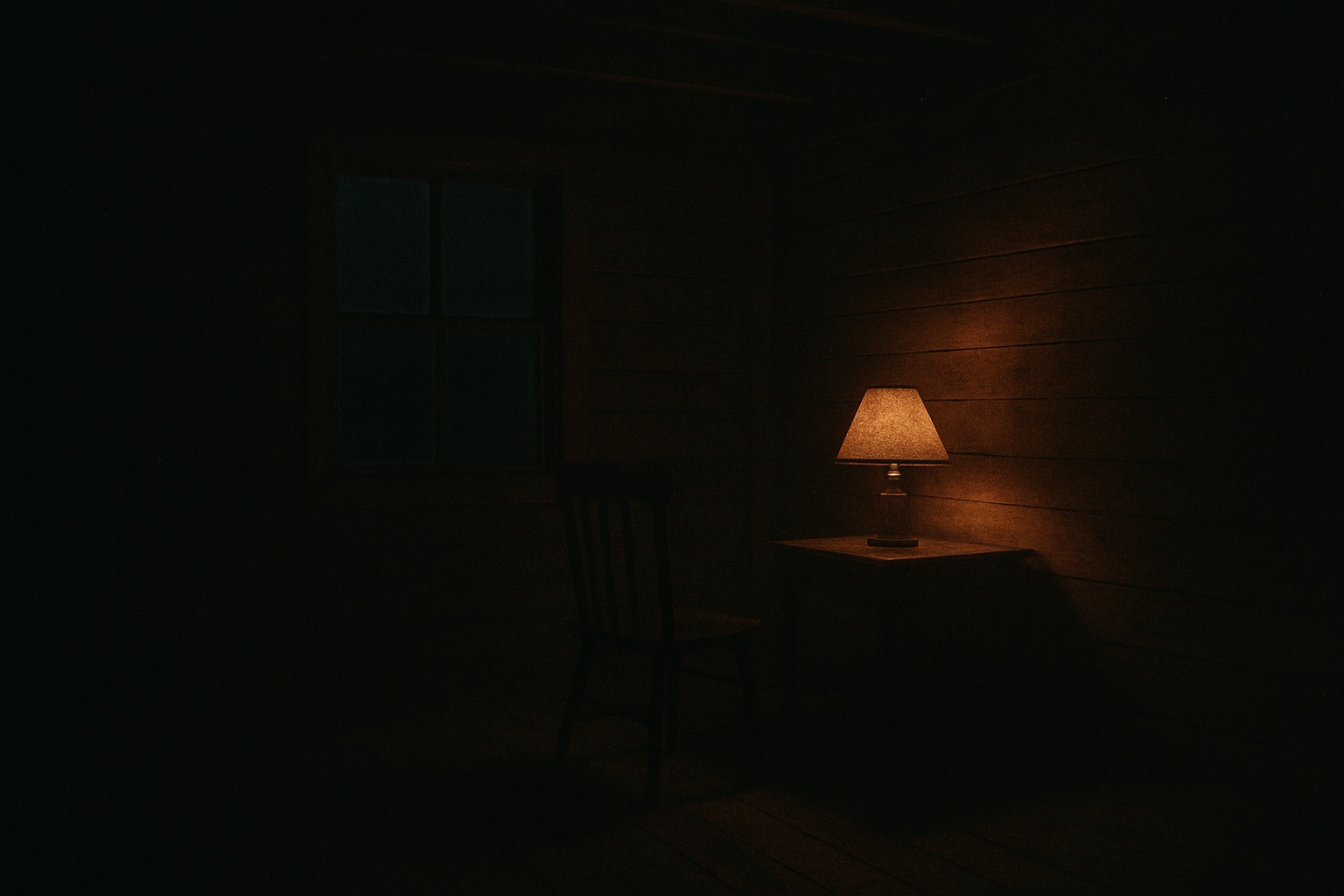
Most artists break you loudly. They build, they swell, they hand you the catharsis on a plate. Chan Marshall — Cat Power — does the opposite. She breaks you in a near-whisper, in a held note that cracks at the edge, in a piano figure that repeats one bar too long until you notice you've stopped breathing. Her catalogue isn't ranked by volume. It's ranked by pressure — how much weight she rests on your chest while barely raising her voice.
So that's how we'll do it: from the records that take you apart most quietly, down to the ones that finally let you exhale.
The quiet apocalypse — these don't ask permission
- Moon Pix (1998) — The one. Reportedly written almost whole in a single night after a terrifying vision in a South Carolina farmhouse, then recorded in Melbourne with members of Dirty Three. "Cross Bones Style" and "Colors and the Kids" don't crescendo — they hover, low and unresolved, like something standing just outside the window. The dynamic range is small, the dread enormous. This is the most quietly devastating record she's made.
- You Are Free (2003) — Rawer, more exposed, the band stripped to bone (Dave Grohl on drums, Eddie Vedder ghosting the backing vocals on "Good Woman"). "Maybe Not" is a few piano chords and a voice that keeps almost giving out. It hurts because it sounds like it's barely holding together — and so are you.
The slow bruise — devastation with a little more air
- What Would the Community Think (1996) — The early voice, jagged and untrusting. "Nude As the News" has edges that the later records sand down. It cuts, but it cuts fast, then leaves.
- Wanderer (2018) — A return to stillness after the maximalism of Sun. Sparse, weathered, sure of itself. "Woman" (with Lana Del Rey) is defiance sung at conversational volume. It wounds less than it steadies — the sound of someone who has already survived the thing.
The warm ache — heavy, but they hold you while it lands
- The Greatest (2006) — Recorded in Memphis with Hi Records soul veterans, this is Cat Power wrapped in horns and warm rhythm. The title track is still sad as hell, but the band catches you. You can cry to this one with the windows down.
- The Covers Record (2000) — She hollows out other people's songs until only the grief is left. Her "(I Can't Get No) Satisfaction" abandons the riff entirely. Devastating in a borrowed coat.
The ones that finally let you breathe
- Sun (2012) — Self-produced, electronic-leaning, the closest she gets to lift-off. "Cherokee" and "Ruin" actually move. After the farmhouse dread of Moon Pix, this feels like daylight. The least quietly-shattering record here — which is exactly why some people start with it.
- Jukebox (2008) — Covers again, fuller band, more swagger than sorrow. A breather between the heavy ones.
What makes Cat Power so hard to map with ordinary tools is that loudness tells you nothing about her. A Spotify-style "energy" score would file Moon Pix next to a spa playlist. But the body knows better: it's the small dynamic range, the unresolved harmony, the voice that withholds, that does the damage. That gap — between how quiet a song measures and how heavy it feels — is the whole reason this site exists.
If you love her records but sometimes need to know which one your nervous system can actually take tonight, dig through the Library of sensory-rated songs, or let the Finder point you toward the same kind of quiet weight from somewhere new.
Hear it before you feel it
Every song carries a sensory fingerprint — dynamic range, texture, sudden changes, predictability, vocal style — that loudness numbers never show. Run any track through the checker to see its profile before you press play, or explore the Library of rated songs and let the Finder match you to music your nervous system can actually trust.