Classical Music Is Not Always Calm — The Composers Who Will Wreck You
By Dan Cohen · Published 2026-04-21
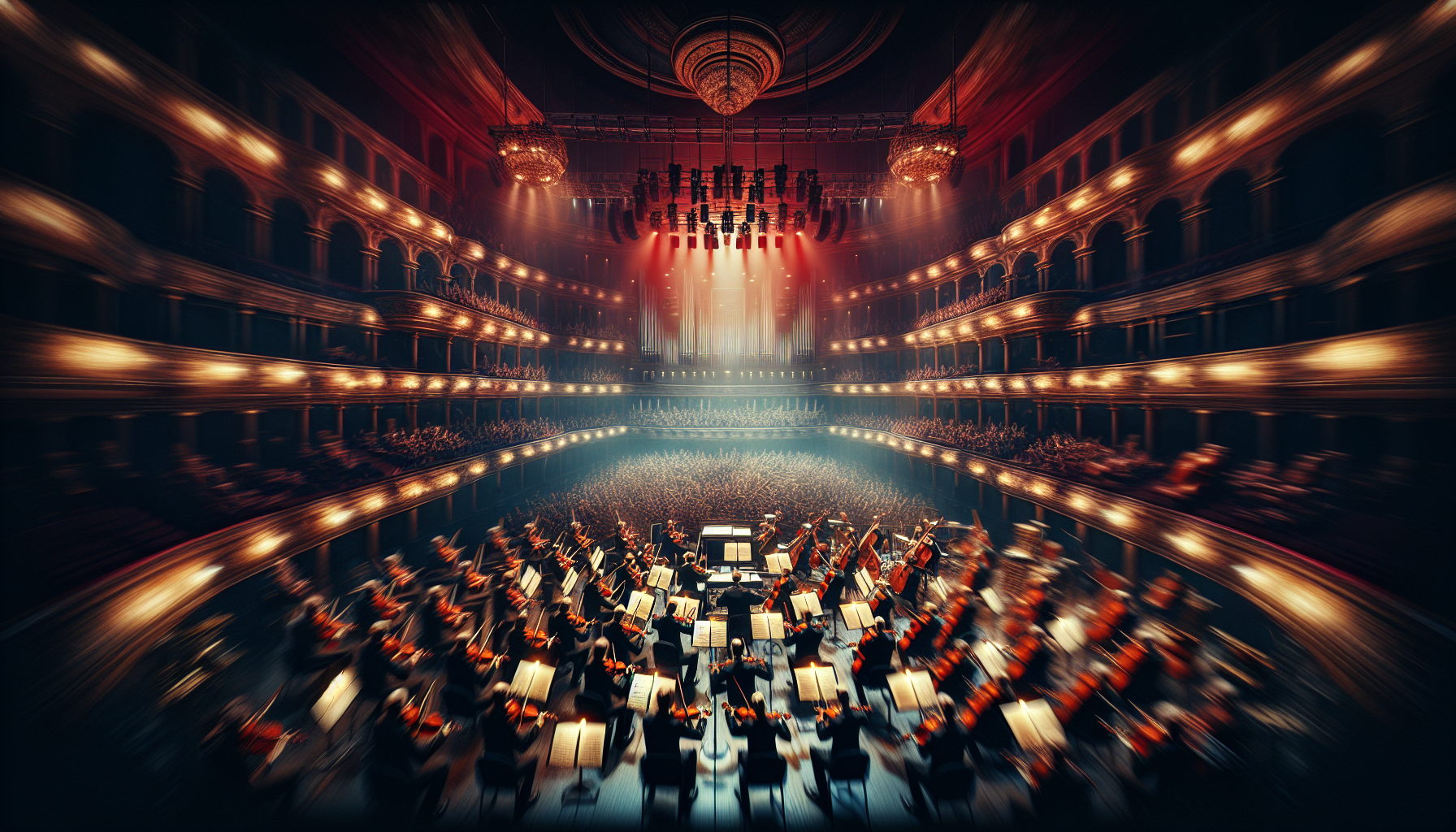
People put classical music on when they want to relax. In many cases, this works. But if you have ever wandered into the wrong part of the classical catalog — if you have ever accidentally cued up Shostakovich at 11 PM, or put on Bartók during a quiet afternoon at home — you know that this genre contains some of the most violent, overwhelming, unsettling music ever recorded.
The assumption that classical equals calm is one of the stranger lies the culture has agreed to tell itself. It probably comes from the midrange: Mozart, early Beethoven, the Baroque composers. Clean lines, predictable resolution, architecture you can trust. But that is a fraction of what is in there. The rest is considerably more dangerous.
The Composers Who Did Not Come to Soothe You
- Shostakovich: His Symphony No. 5 is often described as a "creative reply to just criticism" — which is a diplomatic way of describing a piece written by a man who expected to be arrested by Stalin's government. The first movement builds to a climax that feels less like music and more like a door being kicked in. His String Quartet No. 8 is quieter and more devastating — a slow suicide note for an entire era.
- Béla Bartók: His Concerto for Orchestra has moments of beauty, but it also contains passages of rhythmic intensity and textural chaos that would not be out of place in a metal record. The fourth movement, Intermezzo Interrotto, begins as a love song and is interrupted by what sounds like a military band mocking it. This is intentional. Bartók does not resolve the tension.
- Carl Orff — Carmina Burana: The famous opening, O Fortuna, is a cultural ubiquity — used in trailers, sporting events, beer commercials. What most people do not know is that the full piece is an hour of medieval poetry about fate, desire, and the wheel of fortune grinding you under. The dynamics are extreme. It goes from silence to a hundred voices screaming in a matter of seconds, repeatedly, with no warning.
- Krzysztof Penderecki — Threnody for the Victims of Hiroshima: This is not a piece of music in the traditional sense. It is 52 string instruments producing sounds that strings are not supposed to produce — grinding, shrieking, held at the edge of what the instrument can do. It was written as a memorial. It sounds like one. Sensory-sensitive listeners should approach with genuine caution; this is one of the highest sudden-change, highest-texture pieces in the Western classical tradition.
- Beethoven — Symphony No. 9, Final Movement: The Ode to Joy is joyful, yes — but the final movement of the Ninth is forty minutes of increasingly frantic energy culminating in a presto finale that sounds, if you listen without the cultural weight of it, like a controlled explosion. Beethoven was completely deaf when he wrote this and was apparently conducting its premiere by watching the musicians rather than hearing the music. The piece knows it.
Why the Calm Assumption Persists
Part of it is curating. The classical tracks that get played in coffee shops, waiting rooms, and productivity playlists are specifically selected for low dynamics, smooth texture, and predictable arc. Debussy's Clair de Lune. Bach's Goldberg Variations. Satie's Gymnopédies. These are genuinely calm pieces. They are also not representative of the full genre.
The other part is unfamiliarity with dynamic range in orchestral music. A rock song that goes from 50dB to 90dB sounds like a massive shift. An orchestra doing the same transition in two bars sounds like physics. The scale of the instruments makes the dynamic range feel different in the body — more physical, more sudden.
What to Listen for Instead of "Calm"
Classical music is better evaluated by predictability, texture, and arc than by a vague sense of "relaxing." Some of the calmest, most consistent pieces ever recorded are classical. So are some of the most overwhelming. The genre is not the signal. The specific piece is everything.
If you are exploring classical for calm or for focus, start with our library and look for pieces with high predictability and low texture scores. If you are ready to be wrecked, seek the opposite.
Want to check a specific classical piece before you commit?
Our song checker rates texture, dynamic range, sudden changes, and predictability — the four dimensions that separate Clair de Lune from Shostakovich's Fifth.
Check a Classical Piece →